

Early Detection
The reality is that a good suntan is a sign that you are being exposed to too much UV radiation.
There are several types of skin cancers. The most dangerous of these cancers is melanoma. Early detection of skin cancers is extremely important; it can stop the spread of cancer to other parts of the body.
Skin Cancer Types w/ Pictures
Below are given pictures of the most common types of skin cancers, as well as a brief explanation about each of them.
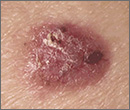
Basal cell carcinoma (BCC)
This is the most common, but least dangerous type of skin cancer. BCCs are usually found on the face and neck. BCCs begin to form as small round or flattened lumps which are either red, pale or pearly in colour and may have blood vessels (which look like tiny veins) over the surface. If untreated, they will spread and can leave bad scarring if you do not get early treatment.
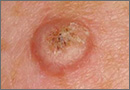
Squamous cell carcinoma (SCC)
This skin cancer is less common, but more dangerous than BCC. This cancer can develop on the lips, particularly the lower lip. SCCs are best described as red scaling areas that may bleed and become ulcerated. Very occasionally, SCCs may spread to the lymph nodes.
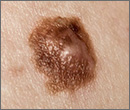
Melanoma
This is the least common, but most dangerous skin cancer. These usually begin as a new spot, freckle or mole on the skin that changes in colour, thickness or shape over months. Melanomas sometimes develop in parts of the body such as the eye and mouth. Melanomas can be dark brown to black, red or blue-black or a combination of colours. They can have an irregular outline or shape. Melanomas can also develop in pre-existing moles and people who have a lot of moles seem to have a higher risk of developing melanoma. Melanomas can spread to internal organs and cause death if not detected and removed promptly.
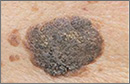
Keratoses
Sometimes called sunspots, keratoses are dry, rough, firm spots on the skin and are not skin cancers. However, they are early warning signs of prolonged exposure to solar UV radiation. Keratoses very occasionally develop into skin cancer.
It is the ultraviolet (UV) radiation in sunlight which causes skin cancers. Even if you are protected from direct sunrays you may still be exposed to reflected UV radiation. Natural surfaces such as snow, sand, rock and water all reflect UV radiation, as do some metallic surfaces, especially aluminium. Exposure to solar UV radiation can still happen on cloudy or winter days...

Favorite Marketplace


Submenu
-

Eyebrows Perfect eyebrows
-

Face Care Cleansing, toning...
-

Combination skin Combination face skin care
-

Lessen Cellulite How to diminish it
-

Freckles Prevent skin discoloration
-

Skin Cancer Types of skin cancer
-

UV radiation How to be protected
-

Skin Peels Expert 7 ways to help your skin
-

Britney Spears Wind blown textured look
-

Calista Flockhart Tousled wavy curly look
-

Leonardo DiCaprio The late 90's style
Freebies & Discount Codes
Find out freebies and coupons for savings on health products available on the Web