

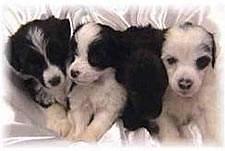
A pet allergy in human is a physical reaction to animal dander (skin flakes), saliva, urine, or feces. Although animal fur itself isn't much of an allergen, it can trap pollen and dust, which do trigger allergies in many people. When a child with pet allergies breathes in dander or comes in contact with saliva or droppings, his body goes on alert and releases histamine and other chemicals to fight it off. Histamine inflames the nose and airways, and the chemicals cause the following well-known allergy symptoms: runny nose, watery eyes, and frequent sneezing to flush the allergen from the body.
Many people think animal allergies are caused by the fur or feathers of their pet. In fact, allergies are actually aggrevated by:
• Proteins secreted by oil glands and shed as dander.
• Proteins in saliva (which stick to fur when animals lick themselves).
• Aerosolized urine from rodents and guinea pigs.
The proteins from the hair, saliva or urine of household pets cause an allergic reaction that attacks the eyes and the airways, like hay fever, and can result in asthmatic symptoms. It may also cause atopic dermatitis or a nettle rash. It is often difficult to avoid the allergens that can come from other people's pets or be transported by people who have been in contact with animals. School classes can be overloaded with pet allergens.
Most often the allergies are to cats or dogs, but rats, mice, guinea pigs, hamsters, pet birds, horses, cows or poultry can be involved.
Keep in mind that you can sneeze with and without your pet being present. Although an animal may be out of sight, their allergens are not. This is because pet allergens are carried on very small particles. As a result pet allergens can remain circulatlng in the air and remain on carpets and furniture for weeks and months after a pet is gone.
Pet Allergies Symptoms In Humans
When touching the fur or feathers of pets; objects containing pet allergens; or breathing in pet allergens; the following reactions may result:
• Hay fever (seasonal allergic rhinitis). Sneezing and a running or blocked nose.
• Eye symptoms such as itching and watering eyes.
• Asthma. Coughing and wheezing. (Children with asthma).
• Children's eczema. Itchy skin disease with red patches.
• Nettle rash. An itchy reddish rash.
How To Deal With Pet Allergies
• Remove pets from your home if possible.
• If pet removal is not possible, keep them out of bedrooms and confined to areas without carpets or upholstered furniture.
• Wear a dust mask and gloves when near rodents.
• After playing with your pet, wash your hands and clean your clothes to remove pet allergens.
• Avoid contact with soiled litter cages.
• Dust often with a damp cloth.
• The best way is to get an air purifier proven to work for people with pet allergies. We recommend EnviroKlenz Mobile Air System, which comes with HEPA filter and their patented Air Cartridge that removes and neutralizes VOCs, malodors, and fragrances.
Pet Allergy Medications
Antihistamine tablets or syrup (eg Loratadine, Cetirizine, chlorphenamine). These lessen the allergic reaction by blocking the actions of histamine. They relieve hayfever type symptoms.
Nasal sprays or drops containing sodium cromoglicate, corticosteroids (eg beclometasone) or antihistamines can be used to reduce nasal inflammation and control symptoms in the nose.
Eye drops containing sodium cromoglicate, nedocromil, or antihistamines reduce eye inflammation and can be used if eye symptoms are a particular problem. For more information see Allergy Eye Drops.
The best way to prevent allergy is to remove allergens from your environment. As been said above, the EnviroKlenz Mobile Air System will do the job.
What complications are possible?
• Greater susceptibility to other illnesses of the airways.
• Ear infections.
• Difficulties sleeping and insomnia.
• Worsening of asthma, and maybe even the possibility of a severe asthma attack.
Favorite Marketplace


Submenu
-

Allergy All about Allergies
-

Pet Allergies Allergy Prevention
-

Sinusitis Learn about sinusitis
-

Eye Drops How to use eye drops
-

Nose Drops How to use nose drops
-

Allergy Medications The most prescribed drugs
-
Allergy Medications The most prescribed drugs
-

Advair inhaler Fluticasone Propionate...
-

Allegra Fexofenadine HCl
-

Clarinex Desloratadine
-

Claritin Loratadine
-

Flonase Fluticasone
-

Flovent Fluticasone Propionate
-

Zyrtec Cetrizine HCl
-

Quercetin Best Quercetin for allergies
Freebies & Discount Codes
Find out freebies and coupons for savings on health products available on the Web